“You Don’t Look Disabled” The Growing Problem Facing Blue Badge Holders
Posted on May 19, 2026 in News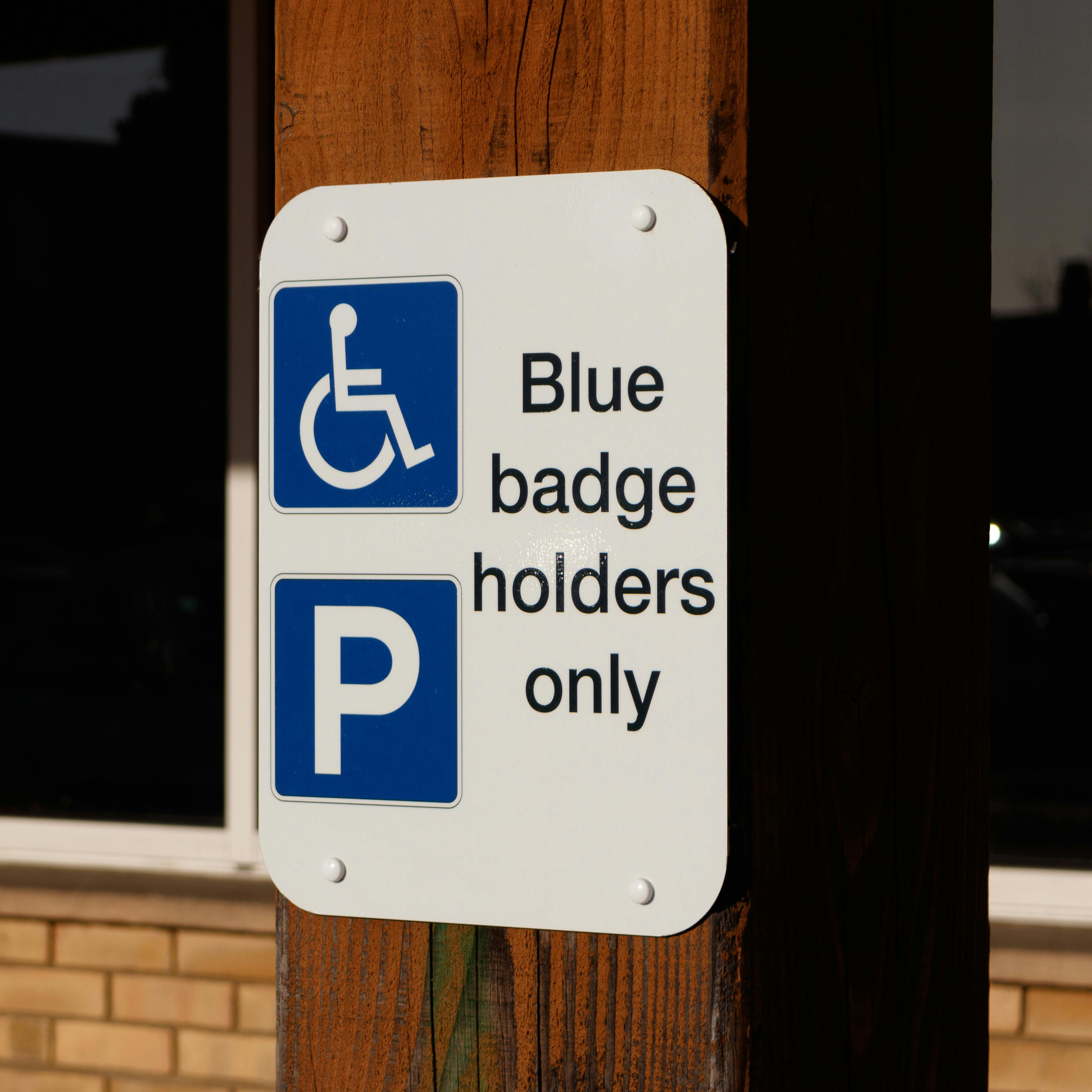
For many disabled people, a Blue Badge is not a luxury or a “perk”. It’s something that makes everyday life more manageable, accessible, and possible.
But recently, more and more disabled people across the UK have spoken out about being questioned, judged, harassed, or even verbally abused while simply trying to park and go about their day.
According to a recent Guardian article, some Blue Badge holders have been accused of “faking” their disability, challenged by strangers in car parks, filmed on phones, or confronted for using accessible parking spaces, particularly if they don’t fit people’s assumptions of what disability “should” look like.
And yet, for many disabled people, this probably won’t come as a surprise.
There’s still a huge lack of understanding around invisible disabilities and fluctuating conditions. Someone may be able to walk short distances while still experiencing severe pain, fatigue, dizziness, mobility issues, neurological conditions, chronic illness, or other disabilities that are not immediately visible to strangers.
Unfortunately, public conversations around disability support and benefit fraud have created a growing culture of suspicion. While genuine misuse of Blue Badges does exist and should absolutely be addressed, many disabled people feel that suspicion is now spilling over onto legitimate badge holders too.
The impact of this goes far beyond an awkward interaction in a supermarket car park. For some people, being questioned repeatedly can create anxiety around leaving the house altogether. Many describe feeling embarrassed, unsafe, or constantly worried about being judged in public spaces.
At PA Pool, we know accessibility is about much more than ramps and parking spaces. Feeling able to move through the world safely, confidently, and without fear of confrontation matters too. For many Clients, having the right support can make everyday situations feel less overwhelming, whether that’s support with transport, attending appointments, navigating busy environments, managing fatigue, or simply having someone there who understands.
Sometimes accessibility is practical. Sometimes it’s emotional. Usually it's both! And while awareness around invisible disabilities has improved over the years, there is still a long way to go when it comes to empathy and understanding in everyday life.
A person should not have to “look disabled enough” to be treated with respect. Most people are simply trying to live their lives, maintain their independence, and access the support or accommodations they genuinely need.
Before making assumptions about someone using a Blue Badge, it’s worth remembering that we rarely know what someone is dealing with behind the scenes.
https://www.theguardian.com/world/2026/apr/29/disabled-britons-report-rise-in-abuse-blue-badges