Road Safety Week: A Guide to Wheelchair Accessible Vehicle Safety
Posted on November 18, 2026 in News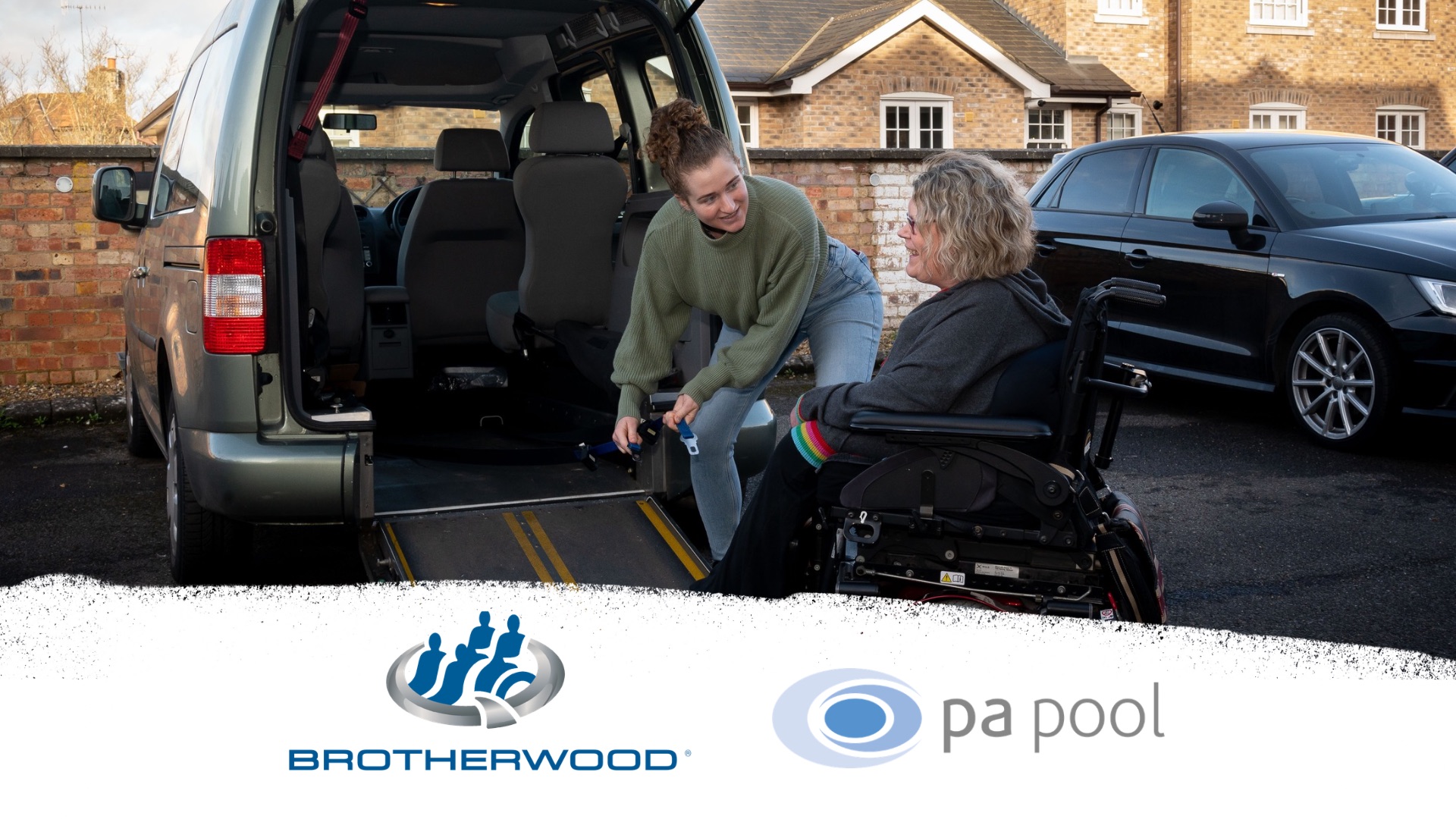
Whether we drive, walk, wheel or ride, road safety affects everyone. But for some people, getting from A to B involves a little more planning, specialist equipment and support.
This year's Road Safety Week, organised by road safety charity Brake, runs from 15–21 November. The theme, 'Safe People on the Move', encourages everyone to consider how their actions can help protect themselves and others on the road.
At PA Pool, we believe everyone should have the opportunity to live independently, make their own choices and get out and enjoy life. Having access to safe, reliable and accessible transport is an important part of that.
That's why we're partnering with Brotherwood, specialists in Wheelchair Accessible Vehicles (WAVs), to share practical advice on choosing, using and maintaining accessible vehicles. This is a partnership built on more than just shared values. PA Pool founder and director, Katy, has been using Brotherwood vehicles for more than 25 years, giving her first-hand experience of the difference the right vehicle can make to everyday independence and accessibility.
From selecting the right vehicle to understanding wheelchair restraints and ensuring everyone knows how to use the equipment safely, there are several things to consider…
Who Are Brotherwood?
With more than 40 years' experience designing and manufacturing Wheelchair Accessible Vehicles, Brotherwood enables wheelchair users and their families find vehicles that make everyday journeys more comfortable, safe and accessible.
Their focus is on finding the right vehicle for the individual, taking into account their mobility requirements, lifestyle and the journeys they need to make, as well as their travel ambitions, where the individuals want to travel.
At PA Pool, we understand that the right support can make a significant difference to someone's independence. The same applies to the equipment and adaptations that make everyday activities possible.
Choosing the Right Wheelchair Accessible Vehicle
Choosing a Wheelchair Accessible Vehicle is a significant decision. The right vehicle can make everyday journeys easier, whether that's travelling to work, attending appointments, visiting friends or going on holiday.
However, not all WAVs are built the same - it's important to look beyond the make and model and consider the quality of the conversion as an important aspect of the decision.
Consider the following before making a decision:
Accessibility: Is the ramp or lift suitable for the wheelchair user? Is there enough room to enter and exit comfortably?
Wheelchair compatibility: Can the vehicle accommodate the wheelchair's size, dimensions and weight?
Comfort: Is there sufficient headroom, visibility and space for the wheelchair user to travel comfortably?
Seating arrangements: Where will the wheelchair user sit, and how many other passengers need to travel?
Practicality: Will the vehicle be used for short local journeys, longer trips or everyday transport?
It is recommended that you undertake a thorough demonstration before committing to a vehicle. This gives you the opportunity to see how the access system works, assess the available space and make sure the vehicle suits your requirements.
Brotherwood offers free, no-obligation home demonstrations, allowing you to explore the options in your own environment.
Their Wheelchair Accessible Vehicle Buyer's Guide is a particularly useful starting point, covering vehicle types, sizing, wheelchair compatibility, features, funding and more.
Assessing Your Needs
There is no one-size-fits-all solution when it comes to accessible transport. A vehicle that works perfectly for one person may not be suitable for someone else.
Before choosing a WAV, think about who will be using it and how it will fit into their everyday life…
Will the wheelchair user travel independently or with a PA, family member or other carer?
How frequently will the vehicle be used?
Will it primarily be used for local journeys or longer trips?
Does the wheelchair user need to remain seated in their wheelchair during travel?
Are there additional mobility aids or equipment that need to be accommodated?
Brotherwood considers factors such as wheelchair dimensions and weight, seating arrangements, access, available space and comfort when assessing individual requirements.
It's also important to involve the wheelchair user in the decision wherever possible. Their comfort, preferences and ability to travel safely should be central to the process.
For us at PA Pool, this comes back to something fundamental: support should be built around the individual, not the other way around.
Securing the Wheelchair
One of the most important aspects of travelling in a WAV is ensuring the wheelchair and its occupant are properly secured.
Not every wheelchair or restraint system is suitable for every vehicle. Compatibility needs to be checked, including the wheelchair's designated anchor points and any relevant weight limits.
Wheelchair Tie-Down and Occupant Restraint Systems (WTORS) are designed to secure both the wheelchair and its occupant during travel.
Before setting off, make sure:
The wheelchair is positioned correctly.
Wheelchair restraints are attached to the appropriate designated anchor points.
Restraints are correctly tensioned and secured.
The occupant restraint system is fitted correctly.
Any additional equipment or mobility aids are safely stored.
It's important that everyone who uses the vehicle understands how the restraint systems work. This includes family members, Personal Assistants and other carers who may be responsible for preparing the vehicle for a journey.
Never assume that because you know how to secure a wheelchair in one vehicle, the process will be the same in another. Always follow the manufacturer's instructions and seek guidance where necessary.
Brotherwood has put together a useful guide on how to fit wheelchair restraints, explaining the correct procedures and important safety checks.
You can also learn more about the standards involved in WAV safety in their guide to Wheelchair Accessible Vehicle Approval and Safety Testing.
Training and Ongoing Support
Having the right vehicle and equipment is only part of the picture. Everyone involved in using the vehicle needs to understand how it works. Drivers, PAs and carers should feel confident operating the access equipment, loading and unloading the wheelchair, and securing both the wheelchair and occupant correctly.
Appropriate handover training is important, particularly when a vehicle is new or when different people may be responsible for using it, Brotherwood carryout this training on handover.
It's also worth remembering that a WAV requires ongoing maintenance. While the base vehicle can usually be serviced through a standard garage or dealership, some of the specialist conversion components require additional attention.
These may include:
Ramps and ramp mechanisms.
Wheelchair restraint systems.
Occupant seatbelts and restraints.
Floor coverings and ramp grip surfaces.
Switches, remote controls and other access equipment.
Brotherwood recommends regular inspections and annual WAV checks to help ensure that these components remain in good working order.
Their guide to Looking After Your Wheelchair Accessible Vehicle explains what to look out for and why specialist conversion maintenance matters.
Road Safety Is Everyone's Responsibility
While accessible vehicles require some additional considerations, road safety extends far beyond the vehicle itself. The message behind this year's Road Safety Week campaign is simple: we all have a responsibility to look out for one another.
Drivers, in particular, need to be aware of more vulnerable road users, including pedestrians, cyclists, wheelchair users and people using mobility scooters.
A few simple habits can help make a difference:
Slow down. Adjust your speed to the road conditions and give yourself plenty of time to react.
Stay alert. Avoid distractions and pay attention to people crossing roads, using pavements or moving alongside traffic.
Give people space. Allow plenty of room when passing cyclists and other vulnerable road users.
Be patient. Not everyone can move at the same speed. Give pedestrians and wheelchair users the time and space they need.
Park considerately. Never obstruct dropped kerbs, accessible parking spaces or pavement access. These are essential for people who rely on them.
Accessibility also goes beyond the vehicle. Poorly maintained pavements, blocked crossings, inaccessible parking and a lack of suitable drop-off points can all make everyday journeys more difficult.
We've previously explored the challenges faced by people using accessible parking in our article, You Don't Look Disabled: The Growing Problem Facing Blue Badge Holders.
It's a reminder that we don't always know what someone else is experiencing. A little consideration and understanding can go a long way.
Making Independence Possible, One Journey at a Time
For many people, being able to travel safely and independently is about much more than transport. It's about having the freedom to work, socialise, attend appointments, spend time with family and take part in the activities they enjoy.
The right vehicle, appropriate equipment and reliable support can all help make this possible.
Personal Assistants often play an important role in helping Clients get out and about, whether that's driving them to appointments, accompanying them on public transport or supporting them with everyday journeys.
Finding someone who understands your requirements and works well with you is important. At PA Pool, we help connect people looking for support with Personal Assistants who match their individual needs, preferences and lifestyle.
You can read more about how the right Personal Assistant can improve wellbeing and independent living.
This Road Safety Week, we're encouraging everyone to think about the part they can play in making our roads safer and more accessible.
Whether it's checking your vehicle's safety equipment, making sure you're confident using a WAV, or simply being more considerate of other road users, small actions can make a difference.
Further Information and Resources
For more information about Wheelchair Accessible Vehicles and accessible travel, explore Brotherwood's resources:
You can also find out more about this year's campaign on the Brake Road Safety Week website.
PA Pool and Brotherwood: Supporting safer, more accessible journeys for everyone.